
Understanding Powered Air-Purifying Respirators (PAPRs)
Dive into the world of Powered Air-Purifying Respirators (PAPRs) and learn how PAPRs provide superior protection and comfort in various industries, enhancing safety and efficiency at the workplace.
In respiratory protection, PAPR means Powered Air-Purifying Respirator. The term refers to a system that uses a powered blower to pull contaminated air through filters before delivering purified air to the wearer. Although the acronym may have other meanings in different fields, this page uses PAPR exclusively to describe Powered Air Purifying respirators used for workplace protection.
What is a PAPR?
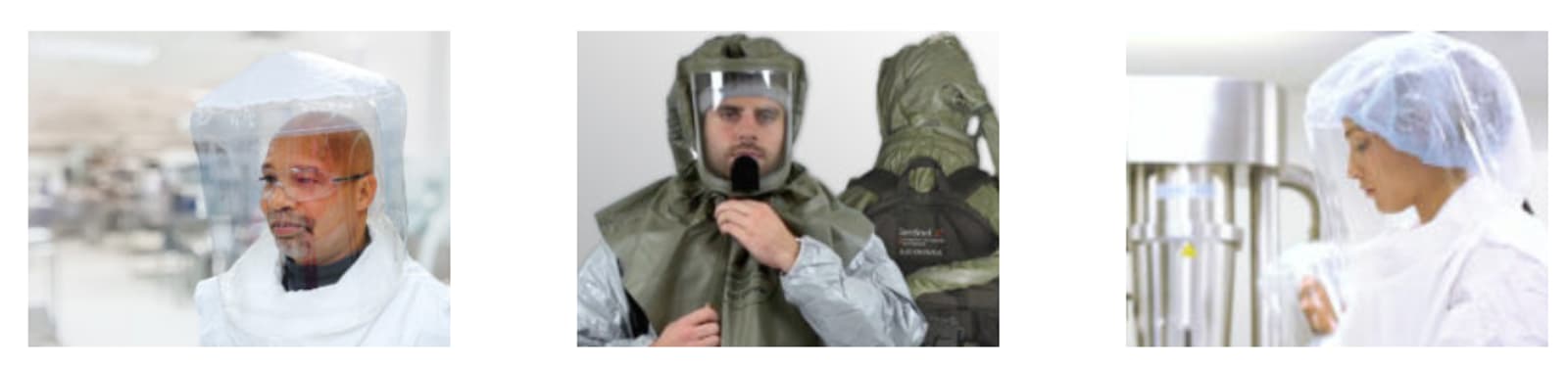
A Powered Air-Purifying Respirator (PAPR) is a type of respiratory protection that uses a battery-powered blower to draw contaminated air through a filter. The filter removes specific particles, gases, or vapors, and the blower then pushes the purified air through a breathing tube into the wearer’s headtop, hood, helmet, or facepiece. This continuous flow of Powered Air Purifying air makes breathing easier and helps reduce exposure to workplace hazards. PAPRs are used in healthcare, industrial, construction, and other environments where respiratory protection is required.
What are the advantages of using PAPRs?
PAPRs combine effective respiratory protection with improved comfort for extended wear. A powered blower reduces breathing resistance by continuously supplying filtered air, which can help reduce fatigue and support compliance with safety procedures. PAPRs can also be configured with different filters, headtops, and accessories to meet specific workplace hazards. However, they may be heavier and bulkier than other respirators, require regular battery charging and maintenance, and cost more to purchase and operate. Employers must also select compatible filters, train users, and follow applicable fit, seal, and workplace-use requirements. A risk assessment can help determine whether the added comfort and protection justify these practical limitations.
What are the key features and customization options of PAPRs?
PAPRs are built from several coordinated components, including a battery-powered blower, air-purifying filter or cartridge, breathing tube, headtop, hood, helmet, or facepiece, and a rechargeable battery. Users can select headgear, tube lengths, blower settings, and compatible accessories to match the work environment and required PPE, including head, eye, and face protection. Proper maintenance is essential for reliable protection. Before each use, inspect the blower, battery, tube, seals, connections, and filter for damage, blockage, or contamination. Charge batteries according to the manufacturer’s instructions, clean and disinfect reusable parts after use, and replace filters, cartridges, or other components when damaged, expired, visibly soiled, or at the end of their service life. Follow the manufacturer’s instructions and workplace procedures for storage, testing, and maintenance. These customization and care options make PAPRs useful in heavy industry, construction, healthcare, and pharmaceutical settings.
What are the main parts of a PAPR?
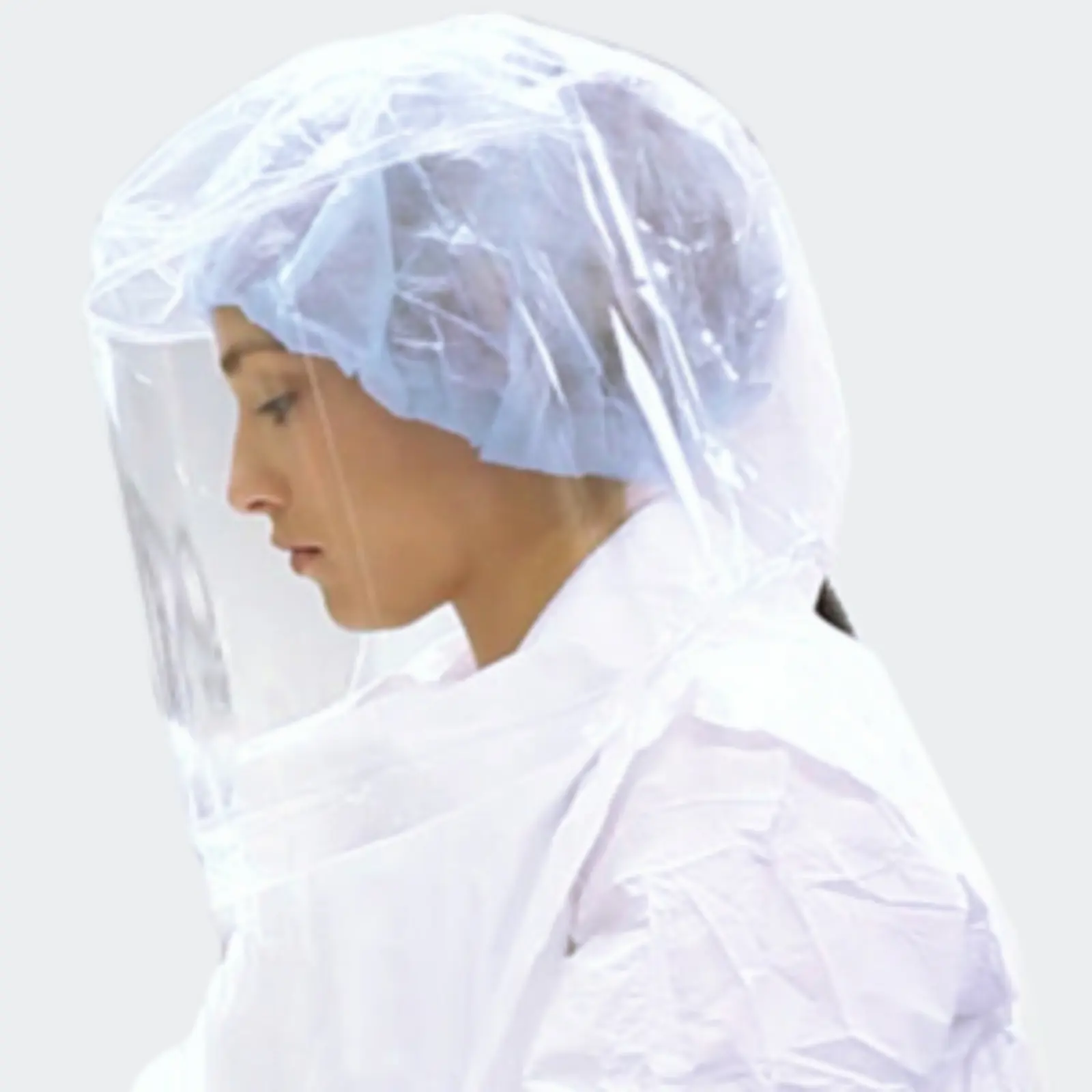
A PAPR combines several parts that work together to provide respiratory protection:
- Blower unit: A battery-powered motor pulls contaminated air through the system and delivers a continuous flow of filtered air.
- Battery: The rechargeable battery powers the blower. Its operating time depends on the battery type, airflow setting, filter condition, and work conditions.
- Filter or cartridge: The filter removes particles from the air. Depending on the hazard, a cartridge may also help remove specific gases or vapors. Always use a filter or cartridge approved for the contaminants present.
- Breathing tube: This flexible tube carries purified air from the blower to the headtop, hood, helmet, or facepiece. It should remain securely connected and free from damage or blockage.
- Headtop or facepiece: The hood, helmet, visor, or facepiece delivers air to the wearer and may provide additional head, eye, and face protection.
- Controls and indicators: Many systems include airflow controls, alarms, or indicators that alert the user to low battery power, reduced airflow, or a blocked filter.
These components must be compatible and properly maintained for the respirator to work as intended. Inspect the complete system before use, and follow the manufacturer’s instructions for assembly, cleaning, filter replacement, battery charging, and storage. The filter and airflow configuration then play a major role in determining how effective the PAPR is for a specific workplace hazard.
How effective are PAPRs?
The effectiveness of a PAPR is significantly influenced by the type of filter used. HEPA filters, capable of removing particles smaller than 5 microns, are common in PAPRs, making them suitable for environments with fine particulate matter, pathogens, and certain volatile organic compounds. The selection of the appropriate filter is crucial for the PAPR’s performance, with options available for a wide range of contaminants encountered in various professional settings.
How to select the right PAPR system
When choosing a PAPR system, consider the work environment, exposure hazards, duration of use, required airflow, and compatibility with other PPE. Unlike a traditional mask or N95 respirator, which relies on the wearer’s inhalation to draw air through a filter, a PAPR uses a battery-powered blower to move filtered air continuously to a hood, helmet, or facepiece. This powered airflow can reduce breathing resistance and may be preferable for extended wear, higher comfort needs, or workers who cannot achieve an adequate seal with a tight-fitting respirator.
N95 respirators are generally lighter, simpler, and easier to deploy, but they require an appropriate fit, fit testing, and user seal checks. PAPRs may use loose-fitting headtops that do not require the same tight facial seal or fit testing, although users must still follow applicable regulations, training, and manufacturer instructions. A risk assessment and consultation with safety professionals can help determine whether an N95, another respirator, or a PAPR provides the right respiratory protection for the hazard.
ILC Dover offers a range of PAPR configurations designed for different workplace safety challenges.
When should you use a PAPR instead of an N95?
When a PAPR Is the Better Choice
Use a PAPR instead of an N95 when a risk assessment shows that powered respiratory protection better matches the hazard, work conditions, or wearer’s needs. PAPRs may be preferable for extended wear because their blower continuously supplies filtered air and can reduce breathing resistance. They can also be useful when a worker cannot achieve an adequate fit with an N95, has facial hair or other conditions that interfere with a tight seal, or needs a loose-fitting hood or helmet for added head, eye, and face protection. The selected PAPR must still be approved for the specific contaminant and used according to the manufacturer’s instructions and applicable respiratory protection requirements.
When an N95 May Be Sufficient
An N95 may be the better choice when the hazard involves particles, the exposure is short or intermittent, and a properly fit-tested worker can wear the mask comfortably. N95 respirators are typically lighter, less bulky, easier to store, and do not require batteries or a blower. However, they depend on a close facial seal, so users must complete required fit testing and perform a user seal check each time they put one on. Neither an N95 nor a particulate-filtering PAPR protects against gases or vapors unless the respirator is specifically approved with the appropriate cartridge or filter. Employers should select between N95 masks and PAPRs based on the hazard assessment, required level of protection, duration of use, compatibility with other PPE, and worker comfort — not comfort alone.
Is a Hooded PAPR Right for Your Organization?

Reach Out to Us